
What is CMS and WordPress?
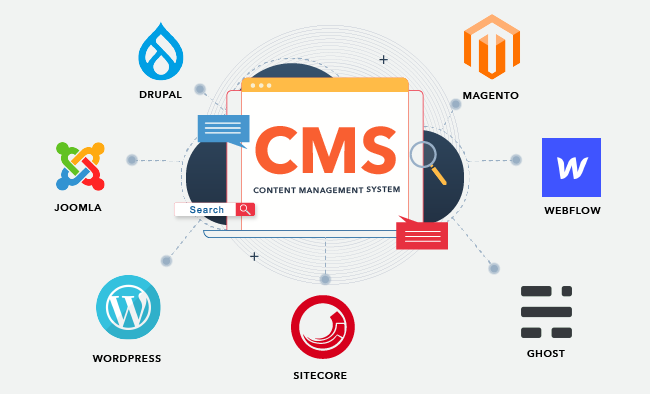
“Content Management System” is what CMS stands for. It is a software program, or group of similar programs, that aids in the creation and administration of digital material and is primarily utilized for websites and web apps. Advanced technical knowledge or coding abilities are not necessary to generate, edit, organize, and publish content using a content management system (CMS). Popular CMS platforms include Wix, Joomla, Drupal, and WordPress. They frequently offer tools, plugins, and templates so that users can alter the look and feel of a website or other digital platform.
WordPress is a well-liked open-source content management system (CMS) for building webpages, blogs, and online apps is called WordPress. It is renowned for its adaptability, simplicity of use, and wide selection of themes and plugins.
WordPress was first created as a blogging platform, but it has since grown into a flexible tool for creating a wide range of websites, including forums, portfolios, e-commerce sites, and simple blogs. It is created using MySQL and coded in PHP.
Because of WordPress’s user-friendly design, both individuals and companies can develop and manage their online presence without needing to know a lot about technology. Because there is such a wide variety of themes and plugins it is quite flexible. With the help of these themes and plugins, users can further personalize
Content Management System and WordPress
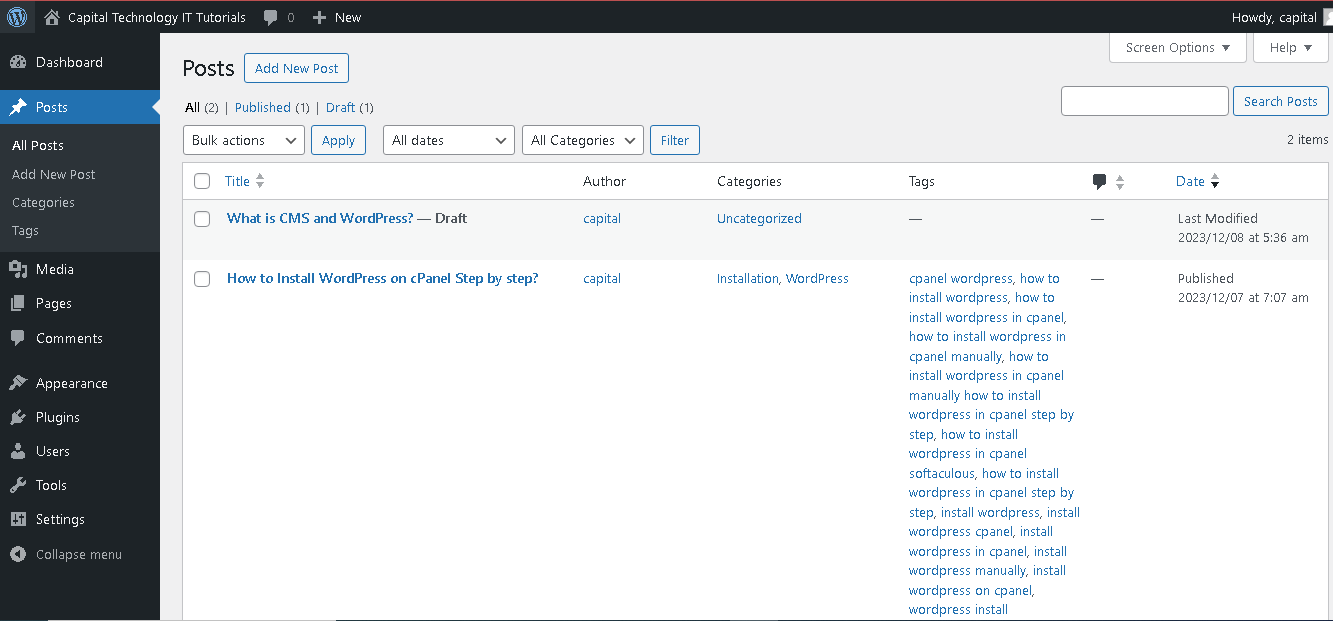
A Content Management System (CMS) is software that helps in creating, managing, and modifying digital content without requiring in-depth technical knowledge. CMS platforms enable users to build websites, add or edit content such as text, images, videos, and manage the site’s structure without coding expertise. WordPress is an example of a CMS.
WordPress is a specific Content Management System (CMS) – in fact, it’s one of the most widely used CMS platforms in the world. It provides a framework and a suite of tools for creating and managing websites. Initially developed as a blogging platform, WordPress has evolved into a versatile CMS that can be used for various types of websites, from simple blogs to complex e-commerce sites and portfolios.
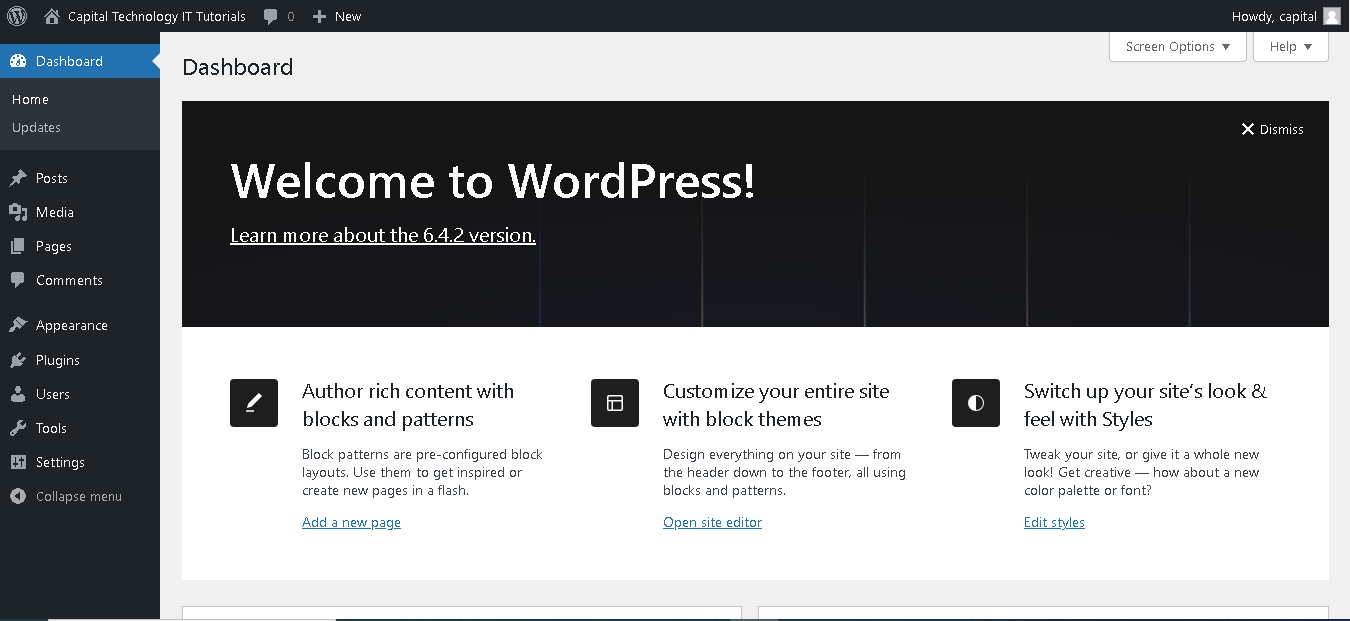
WordPress offers a user-friendly interface, a wide array of themes for site design, and an extensive selection of plugins for adding functionality. Its user base spans from beginners to experienced developers due to its flexibility, customization options, and scalability. With regular updates, WordPress continues to enhance security, performance, and features, catering to diverse user needs.
So, in essence, WordPress is a specific instance of a CMS, offering a comprehensive system specifically designed for creating and managing websites and content.


